Sustainable Development Along Urban Rivers
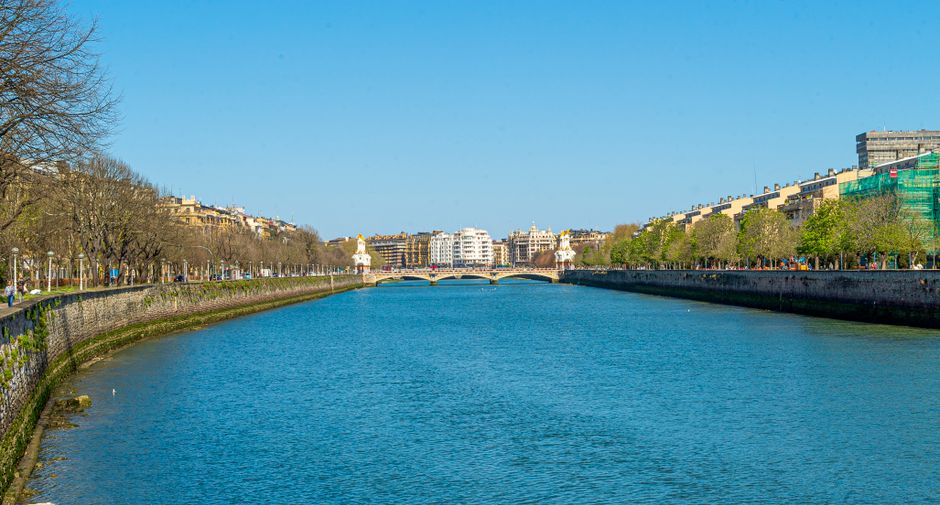
Sustainable development along urban rivers represents a complex planning challenge that balances environmental protection with the growing demand for accessible, livable city spaces. In the United Kingdom, many urban waterways have historically been overlooked or engineered primarily for flood control, often at the expense of ecological health and public enjoyment. Contemporary approaches increasingly recognise rivers as multifunctional assets that can support biodiversity, manage stormwater, and provide recreational opportunities when integrated thoughtfully into the urban fabric.
Planners and designers now face the task of reimagining riverfronts to accommodate housing, commerce, and transport while reducing environmental pressures. This involves a shift from single-purpose infrastructure to interconnected systems that consider hydrology, ecology, and human activity together. The goal is not only to mitigate negative impacts but also to create places that are resilient and attractive for residents and visitors alike.
This article explores how green infrastructure and public transport can be combined to minimise environmental impact and enhance riverfront livability. It examines planning principles, design strategies, and implementation considerations relevant to UK cities, highlighting the importance of a holistic, long-term perspective.
Principles of Sustainable Riverfront Planning
Sustainable riverfront planning rests on several core principles that guide decision-making from initial visioning through to detailed design. First, it adopts a systems-thinking approach that treats the river corridor as an integrated whole, where changes in one area can affect others. This means considering upstream and downstream effects, as well as the relationship between the river and its surrounding urban catchment. Second, it prioritises ecological integrity, aiming to restore natural processes and habitats wherever feasible. Third, it seeks to enhance public accessibility and enjoyment without compromising environmental quality. Finally, it emphasises resilience to climate change, including increased flood risk and extreme weather events.
In the UK context, these principles align with national planning policy frameworks that encourage sustainable development and the protection of the natural environment. Local authorities often incorporate them into river basin management plans and local plans, although implementation can vary based on local priorities and resources. The challenge lies in translating broad principles into concrete actions that are both practical and effective.
A key aspect is the recognition that riverfronts are dynamic systems subject to natural fluctuations. Planning must therefore be adaptive, allowing for adjustments as conditions change. This contrasts with traditional approaches that sought to control rivers through hard engineering. Instead, modern strategies often work with natural processes, using soft engineering techniques that support both flood management and habitat creation. Such approaches can also offer cost-effective solutions over the long term, although they require ongoing monitoring and maintenance.
Green Infrastructure as a Multifunctional Tool
Green infrastructure refers to a network of natural and semi-natural features that provide multiple environmental benefits. Along urban rivers, it can include wetlands, riparian buffers, green roofs, permeable pavements, and vegetated swales. These elements help manage stormwater by slowing runoff and filtering pollutants, reduce urban heat island effects, and create habitats for wildlife. They also enhance the aesthetic quality of riverfronts, making them more attractive for recreation and relaxation.
In the UK, green infrastructure has gained prominence as a cost-effective alternative to conventional drainage systems. For example, sustainable drainage systems (SuDS) are increasingly required in new developments to mimic natural drainage patterns. When integrated with riverfront planning, SuDS can reduce the volume and velocity of water entering the river, thereby lowering flood risk and improving water quality. This is particularly important in urban areas where impervious surfaces dominate and stormwater runoff can overwhelm combined sewer systems.
Beyond water management, green infrastructure can contribute to biodiversity net gain, a principle embedded in UK planning policy. By creating and enhancing habitats, developments can achieve measurable improvements for wildlife, offsetting losses elsewhere. River corridors are often priority areas for such gains because they act as wildlife corridors, connecting fragmented habitats across the urban landscape. This ecological connectivity is vital for species survival and can be supported through careful planting and landscape design.
Integrating green infrastructure into riverfronts is not merely an aesthetic choice; it is a functional necessity for sustainable urban water management.
However, green infrastructure requires careful planning to ensure it delivers intended benefits without unintended consequences. For instance, poorly designed wetlands may not effectively treat pollutants, and invasive species can outcompete native flora. Therefore, site-specific assessments and ongoing monitoring are essential. Collaboration between ecologists, engineers, and landscape architects can help avoid such pitfalls and maximise the potential of green infrastructure.
Integrating Public Transport for Reduced Environmental Impact
Public transport plays a crucial role in reducing the environmental footprint of urban riverfront development. By providing efficient alternatives to private car use, it can lower greenhouse gas emissions, reduce air pollution, and alleviate traffic congestion. In UK cities, many river corridors are already served by bus, tram, or rail networks, but integration with riverfront areas is often lacking. Planners can enhance connectivity by extending routes, improving interchanges, and creating pedestrian and cycling links that feed into public transport nodes.
When public transport is seamlessly integrated with riverfront spaces, it can also enhance livability by improving access to jobs, services, and recreational opportunities. This is particularly beneficial for communities that have historically been cut off from the river by transport infrastructure. Reconnecting these communities through well-designed transit stops and pathways can foster social inclusion and economic vitality. Moreover, reduced car dependency frees up land for other uses, such as parks or housing, further enhancing the riverfront environment.
In the UK, initiatives like bus rapid transit and light rail have shown potential in riverfront regeneration projects. For example, in some cities, new tram lines have been aligned with river corridors to serve both commuters and leisure users. These projects often include measures to prioritise sustainable modes of transport, such as dedicated lanes and signal priority. However, success depends on coordination between transport authorities, local councils, and developers to ensure that services are frequent, reliable, and affordable.
It is important to note that public transport alone cannot achieve sustainability goals. It must be part of a broader strategy that includes demand management, such as parking restrictions and congestion charging, as well as support for active travel. When combined with green infrastructure, public transport can help create riverfronts that are both environmentally sensitive and highly livable.
Balancing Livability and Ecological Health
Enhancing livability along urban rivers involves creating spaces that people want to use and enjoy, but this must be balanced with the need to protect ecological health. Livability encompasses factors such as safety, comfort, aesthetics, and social interaction. Well-designed riverfronts can offer walking and cycling paths, seating areas, cafes, and event spaces, all of which contribute to a vibrant public realm. However, increased human activity can also lead to pressures such as litter, noise, and disturbance to wildlife.
To manage these tensions, planners can adopt zoning approaches that designate areas for intensive recreation and others for conservation. Buffer zones of vegetation can screen sensitive habitats from human activity, while boardwalks and viewing platforms can allow access without trampling fragile ecosystems. Educational signage and interpretation can raise awareness of ecological values and encourage responsible behaviour. In the UK, many river restoration projects have successfully combined public access with habitat improvement, demonstrating that the two are not mutually exclusive.
Another consideration is the potential for riverfront development to displace existing communities or exacerbate inequalities. Sustainable development should aim to be inclusive, providing benefits for all residents regardless of income or background. This may require affordable housing policies, community engagement in planning processes, and investment in public spaces that are free and open to all. By prioritising equity, planners can ensure that riverfront regeneration contributes to social sustainability as well as environmental goals.
Ultimately, the balance between livability and ecological health is context-dependent and requires ongoing dialogue among stakeholders. There is no one-size-fits-all solution, but a commitment to adaptive management and inclusive decision-making can help navigate trade-offs. Tidewater, as a company involved in water management and environmental solutions, recognises the importance of such collaborative approaches in achieving sustainable outcomes.
Implementation Challenges and Opportunities
Implementing sustainable development along urban rivers is fraught with challenges, including funding constraints, regulatory complexities, and competing land uses. In the UK, planning permission processes can be lengthy, and securing investment for green infrastructure and public transport often requires innovative financing mechanisms. For example, developer contributions through Section 106 agreements or the Community Infrastructure Levy can fund improvements, but these may not cover the full costs. Public-private partnerships and green bonds are emerging as potential sources of finance, although their applicability varies.
Another challenge is the need for cross-boundary coordination, as rivers often flow through multiple local authority areas. Successful projects typically involve collaboration between councils, the Environment Agency, and other stakeholders to align objectives and pool resources. Catchment-based approaches, such as those promoted by the EU Water Framework Directive (now retained in UK law), provide a framework for such cooperation, but implementation can be slow and resource-intensive.
Despite these hurdles, there are significant opportunities. Advances in technology, such as remote sensing and modelling, can improve our understanding of river systems and inform better design. Growing public awareness of environmental issues creates political momentum for sustainable solutions. Moreover, the COVID-19 pandemic has highlighted the value of accessible green spaces, increasing demand for high-quality riverfronts. By capitalising on these trends, planners can build support for ambitious projects that deliver multiple benefits.
In conclusion, sustainable development along urban rivers requires a holistic approach that integrates green infrastructure and public transport to minimise environmental impact and enhance livability. While challenges remain, the potential rewards in terms of ecological resilience, social well-being, and economic vitality are substantial. With careful planning and collaborative effort, UK cities can transform their riverfronts into exemplary models of sustainable urbanism.