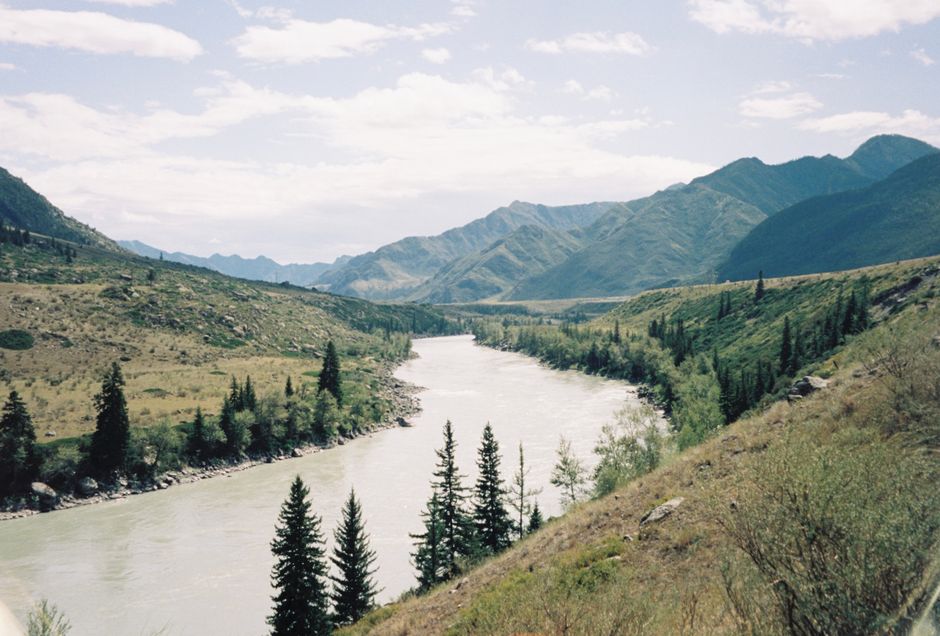
River landscapes are dynamic environments that shape human settlement and inspire engineering marvels. From the rugged valleys carved by ancient waterways to the bustling embankments of modern cities, rivers have always been central to life. At Tidewater, we explore these connections through articles that delve into the geography, architecture, and sustainable development of waterfronts around the globe.
Discovering River Valleys and Waterfront Projects
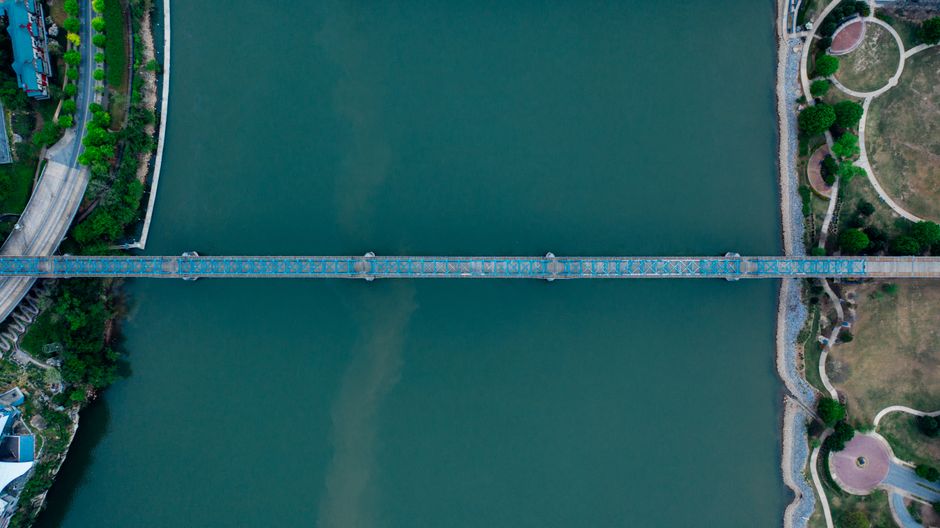
Whether it’s a historic bridge spanning a tranquil valley or a revitalised embankment transforming an urban core, each river landscape tells a story of adaptation and innovation. Our curated articles cover a range of topics, including the ecological importance of floodplains, the engineering behind iconic bridges, and the strategies behind successful waterfront regeneration projects.
- Case studies of valley restoration and conservation efforts.
- Profiles of notable bridges and their architectural significance.
- Insights into embankment design and public space creation.
- Global examples of waterfront development balancing economy and ecology.
By examining these elements, we aim to foster a deeper appreciation for the delicate balance between natural river systems and human intervention. Join us as we navigate the world’s most fascinating river landscapes and the projects that shape them.