The Role of Embankments in Flood Control
Embankments are engineered structures that play a critical role in flood control, particularly in urban environments where the consequences of flooding can be severe. These structures, which include levees, dikes, and flood walls, are designed to contain or redirect water during periods of high flow, thereby reducing the risk of inundation in protected areas. In the United Kingdom, embankments are a common feature along rivers, estuaries, and coastlines, where they help safeguard communities, infrastructure, and agricultural land from the effects of flooding. Their construction and maintenance involve a careful balance of engineering principles, environmental considerations, and social factors.
Beyond their primary function of flood defence, embankments often provide additional benefits, such as recreational spaces for walking, cycling, and nature observation. This dual-purpose design reflects a broader trend in flood risk management towards multifunctional infrastructure that serves both safety and community needs. However, achieving this balance requires thorough planning and ongoing assessment to ensure that the structure remains effective over time and that public access does not compromise its integrity. The design of embankments must account for factors such as water levels, soil conditions, and the potential impacts of climate change.
This article examines the role of embankments in flood control, focusing on their design, construction, and the considerations that inform their integration into the urban landscape. It discusses the engineering principles that underpin their effectiveness, the ways in which they can be adapted to provide recreational value, and the challenges associated with maintaining a balance between safety and accessibility. The content is intended to provide a general overview for those interested in flood risk management and sustainable urban development.
Engineering Principles of Embankment Design
The design of embankments for flood control is based on a combination of hydrological analysis, geotechnical engineering, and hydraulic modelling. Engineers must determine the appropriate height, slope, and cross-section of the embankment to withstand expected flood levels while ensuring stability under various loading conditions. Hydrological studies assess the frequency and magnitude of flood events, often using historical data and probabilistic methods to estimate the design flood. Geotechnical investigations evaluate the properties of the foundation soils and borrow materials, which influence the embankment’s strength, permeability, and resistance to erosion.
In the United Kingdom, embankment design frequently follows guidelines set out by organisations such as the Environment Agency and the Institution of Civil Engineers. These guidelines emphasise the importance of accounting for uncertainty in flood estimates and the potential for climate change to alter flood patterns. For instance, sea level rise and increased rainfall intensity may require higher or more robust embankments in certain areas. The design process also considers the consequences of failure, as the risk to life and property varies depending on the location and the extent of the protected area.
Materials selection is another critical aspect. Embankments are typically constructed from locally available soils, such as clay, silt, or sand, which are compacted in layers to achieve the desired density and strength. In some cases, geosynthetic materials or concrete elements are incorporated to enhance performance. The choice of materials affects not only the structural integrity but also the environmental impact and cost of construction. For example, using clay-rich soils can reduce permeability, but may require careful management to avoid shrinkage and cracking.
Furthermore, the design must address potential failure modes, including overtopping, internal erosion, and slope instability. Overtopping occurs when water levels exceed the crest of the embankment, leading to erosion on the landward slope. Internal erosion, often caused by seepage, can progressively remove soil particles and weaken the structure. Slope instability may result from rapid drawdown or seismic activity. To mitigate these risks, engineers may incorporate features such as berms, toe drains, and protective revetments. Regular inspections and maintenance are essential to identify and address any signs of distress.
Construction and Maintenance Considerations
The construction of embankments involves a sequence of activities that must be carefully managed to ensure the final structure meets design specifications. Site preparation includes clearing vegetation, excavating unsuitable materials, and establishing access routes. Fill material is then placed in layers and compacted to achieve the required density, with quality control tests conducted at intervals. Where necessary, drainage systems are installed to control seepage and prevent water pressure from building up within the embankment. Construction may also involve the relocation of utilities, the creation of flood walls, or the integration of pumping stations.
After construction, embankments require ongoing maintenance to preserve their flood defence capability. This includes regular visual inspections, particularly before and after flood events, to check for erosion, settlement, cracking, or animal burrows. Vegetation management is also important, as trees and shrubs can undermine the structure, while grass cover can protect against surface erosion. In some cases, more detailed surveys using geophysical methods or remote sensing may be employed to detect internal defects.
Maintenance activities are typically planned and prioritised based on risk assessments. The Environment Agency, for example, maintains a national database of flood defences and conducts condition surveys to inform investment decisions. Funding for maintenance may come from government grants, local levies, or partnership contributions. In recent years, there has been a growing emphasis on adaptive management, where monitoring data and new information are used to adjust maintenance strategies over time. This approach recognises that embankments are part of a dynamic system and that their performance can be affected by changes in land use, climate, and other factors.
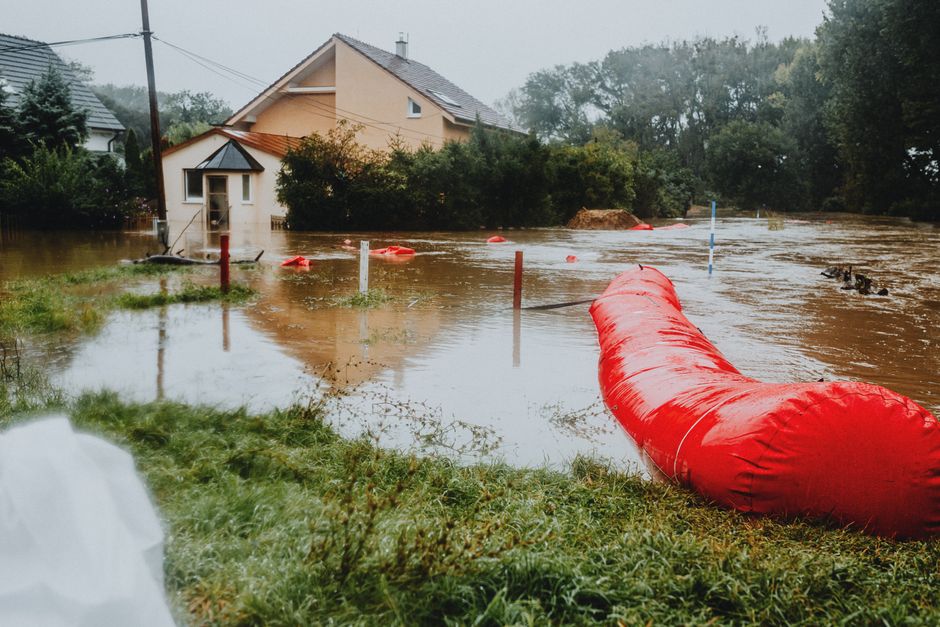
Public safety during construction and maintenance is a key consideration. Works are often scheduled during periods of low flood risk, and temporary flood defences may be deployed if necessary. Communication with local communities helps to manage expectations and reduce disruption. Additionally, environmental regulations may require measures to protect habitats and species during works, particularly in designated sites.
Balancing Safety and Accessibility
One of the notable trends in embankment design is the integration of recreational features, which can enhance community well-being and provide additional value from flood defence investments. In many UK cities, embankments have been transformed into linear parks, promenades, or cycleways, offering space for walking, jogging, and cycling. These amenities can encourage physical activity and provide opportunities for social interaction, while also serving as green corridors for wildlife. The Thames Embankment in London is a well-known example, where a flood wall also supports a major road and pedestrian walkway.
However, incorporating public access introduces new challenges for flood risk management. People on or near the embankment may be at risk during flood events, and their presence can complicate emergency responses. To address this, designers may include features such as flood gates, barriers, and warning systems. Access points can be designed to be closed off when flood warnings are issued, and signage can inform users of potential hazards. In some cases, the embankment crest may be raised or shaped to reduce the risk of overtopping while maintaining views and access.
The balance between safety and accessibility is also influenced by legal and policy frameworks. In the UK, the Flood and Water Management Act 2010 places duties on lead local flood authorities to manage flood risk, and planning policies encourage sustainable development that takes account of flood risk. The National Planning Policy Framework requires that new development in areas at risk of flooding is safe and does not increase flood risk elsewhere. These requirements can shape how embankments are designed and how public spaces are integrated.
Effective flood risk management often involves a combination of structural and non-structural measures, and embankments are most effective when considered as part of a wider strategy.
Stakeholder engagement is crucial in reconciling different objectives. Local communities, businesses, environmental groups, and government agencies may have varying interests in how an embankment is used and maintained. Consultation processes can help identify shared goals and potential conflicts. For instance, some may prioritise uninterrupted access, while others may emphasise ecological restoration. Through dialogue and collaborative design, it is often possible to develop solutions that address multiple concerns.
Future Directions and Challenges
The future of embankments in flood control will be shaped by evolving environmental, technological, and social factors. Climate change is expected to increase the frequency and intensity of extreme weather events, which may require upgrades to existing embankments or the construction of new ones. Sea level rise poses particular challenges for coastal embankments, where the risk of overtopping and erosion may increase. In response, engineers are exploring adaptive designs that can be modified over time, such as adjustable crest levels or removable flood barriers.
Technological advancements are also influencing embankment management. Remote sensing, real-time monitoring, and data analytics can provide more accurate and timely information about embankment condition and performance. For example, sensors can detect changes in pore water pressure or movement, alerting managers to potential issues. Drones and satellite imagery can be used to survey large areas quickly. These tools can support risk-based decision-making and optimise maintenance schedules.
Nevertheless, challenges remain. Funding constraints, aging infrastructure, and competing land uses can hinder the implementation of ideal solutions. In some areas, space is limited, making it difficult to raise embankments or create new recreational spaces. There is also a need to balance flood defence with environmental protection, as embankments can alter natural hydrological and ecological processes. Integrated approaches that consider the whole catchment or coastal system may offer more sustainable outcomes.
Ultimately, the role of embankments in flood control is likely to remain significant, but their design and management will continue to evolve. By applying sound engineering principles, engaging with communities, and adapting to changing conditions, it is possible to maintain effective flood defences that also contribute to the quality of urban life. The involvement of experienced organisations, such as Tidewater, in the planning and delivery of such schemes can help ensure that these complex projects are executed with due regard for safety, accessibility, and long-term resilience.