Challenges in River Conservation Today
Rivers are dynamic ecosystems that support a wide range of ecological, social, and economic functions. They transport water, nutrients, and sediment, create habitats for countless species, and provide resources for human communities. In the United Kingdom, rivers have shaped landscapes and supported settlements for centuries, but their health is increasingly under pressure from multiple interacting factors. Understanding these pressures is essential for developing effective conservation strategies.
Contemporary river conservation faces a complex web of challenges that cannot be addressed in isolation. Pollution from agricultural, industrial, and urban sources degrades water quality and disrupts aquatic life. Dams and other physical modifications alter natural flow regimes, fragment habitats, and impede the movement of migratory species. Climate change introduces additional stressors, such as altered precipitation patterns, rising water temperatures, and more frequent extreme events. These factors often interact, compounding their effects on river ecosystems.
Conservationists and river managers work to restore flow and habitats through a combination of scientific research, policy interventions, and community engagement. Efforts focus on reducing pollution inputs, reconnecting rivers with their floodplains, and removing obsolete barriers. While progress is being made, the scale and complexity of the challenges require sustained commitment and adaptive management approaches. This article explores key issues in river conservation today and the methods employed to address them.
Pollution: A Persistent Threat to River Health
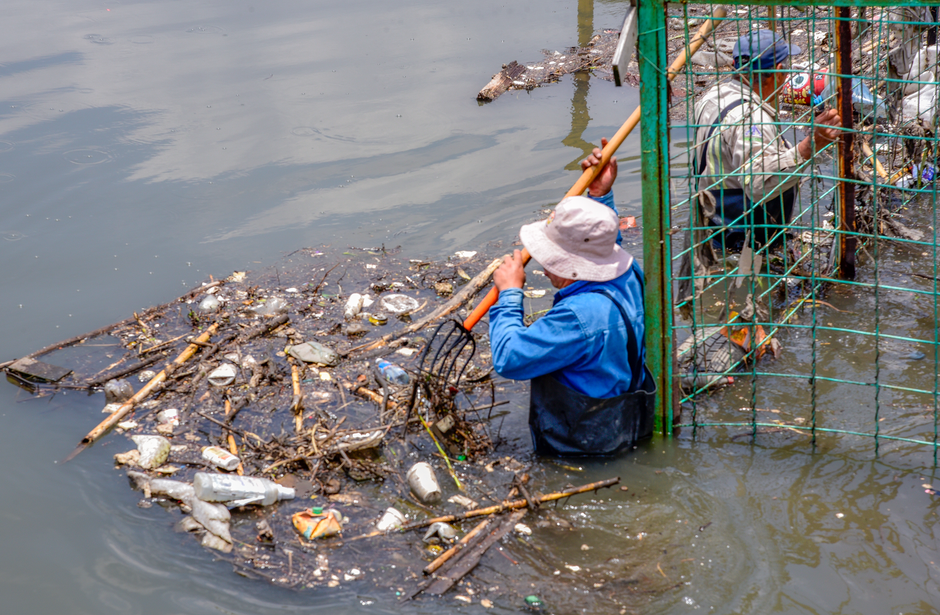
Pollution remains one of the most widespread and damaging pressures on rivers in the United Kingdom and globally. It originates from numerous sources, including agricultural runoff, wastewater discharges, industrial activities, and urban stormwater. These sources introduce excess nutrients, sediments, chemicals, and pathogens into watercourses, leading to a range of ecological problems. Nutrient enrichment, particularly from nitrogen and phosphorus, can trigger algal blooms that deplete oxygen and harm fish and invertebrates. Sediment pollution can smother spawning grounds and reduce water clarity, affecting species that rely on visual cues for feeding and reproduction.
Addressing pollution requires a catchment-based approach that considers the entire land area draining into a river. This involves identifying critical source areas, implementing measures to reduce pollutant mobilization, and improving wastewater treatment. In agricultural landscapes, practices such as buffer strips, cover crops, and reduced tillage can help limit runoff. Urban areas benefit from sustainable drainage systems that manage stormwater and reduce combined sewer overflows. Industrial discharges are regulated through permits that set limits on pollutant concentrations and volumes. Despite these measures, legacy pollutants and emerging contaminants, such as pharmaceuticals and microplastics, pose ongoing challenges for river conservation.
Monitoring and assessment are essential for understanding pollution dynamics and evaluating the effectiveness of mitigation measures. Traditional water quality sampling provides snapshots of conditions, while continuous sensors and remote sensing offer more comprehensive data. Biological indicators, such as macroinvertebrate communities, integrate pollution effects over time and can reveal impairments that chemical sampling might miss. In the UK, organizations like the Environment Agency and various rivers trusts play key roles in monitoring and reporting on river health. However, funding constraints and the diffuse nature of many pollution sources mean that significant gaps remain in both data and action.
Damming and River Fragmentation
Dams and other instream structures have profoundly altered river systems worldwide. They serve important purposes, such as water supply, flood control, hydropower generation, and navigation. However, they also disrupt the natural flow of water, sediment, and organisms. By impounding water, dams change the timing, magnitude, and duration of downstream flows, which can affect the life cycles of many aquatic species. They also trap sediment, leading to downstream erosion and loss of habitats like gravel beds that are critical for spawning. Furthermore, dams create barriers that block the migration of fish and other organisms, contributing to population declines and local extinctions.
In the United Kingdom, many rivers have been modified by weirs, dams, and culverts, some of which are no longer in use. These obsolete structures can be removed or modified to restore river continuity. Dam removal projects have gained momentum as a cost-effective way to improve habitat connectivity and restore natural flow regimes. Where removal is not feasible, fish passes and other engineering solutions can help mitigate barriers. However, such interventions require careful planning to avoid unintended consequences, such as the release of contaminated sediments or changes in flood risk.
The management of existing dams also involves balancing competing demands. Environmental flows—the quantity, timing, and quality of water releases—are designed to mimic natural flow patterns and support ecosystem health. Setting appropriate environmental flow standards is a complex process that requires hydrological data, ecological knowledge, and stakeholder negotiation. In the UK, the Water Framework Directive and subsequent legislation have driven efforts to improve river connectivity and flow. Yet, progress is often slow due to financial, regulatory, and technical constraints. Conservationists advocate for strategic prioritization of barriers for removal or mitigation, based on ecological benefits and cost-effectiveness.
Climate Change and Its Multifaceted Impacts
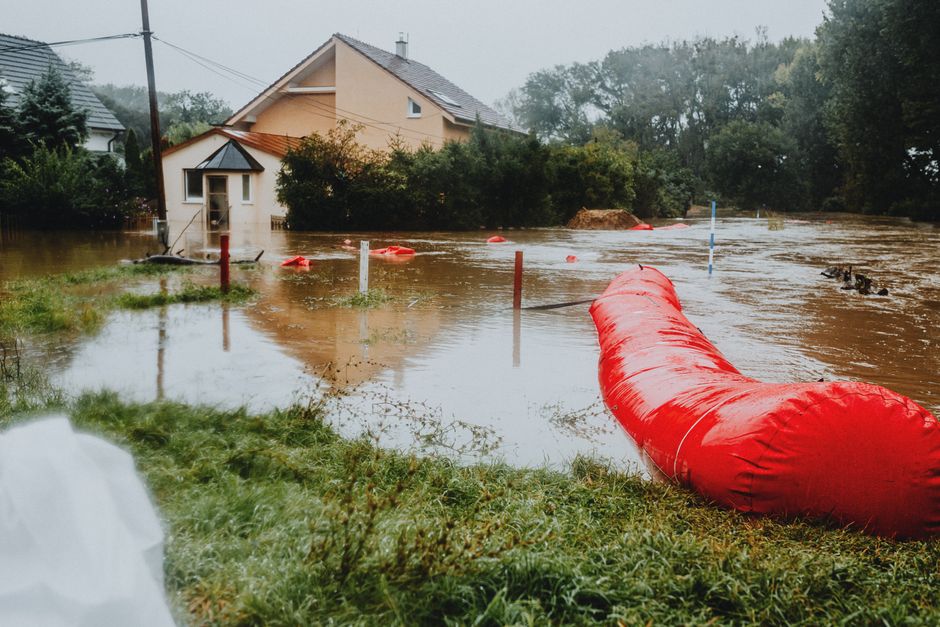
Climate change is intensifying existing pressures on rivers and introducing new challenges. Changes in precipitation patterns can lead to more frequent and severe floods and droughts, altering flow regimes and stressing aquatic communities. Higher water temperatures reduce dissolved oxygen levels and can exceed the thermal tolerances of sensitive species, such as salmon and trout. Shifts in seasonal timing—such as earlier snowmelt—can disrupt the cues that trigger migration, spawning, and other life-history events. Additionally, sea-level rise can cause saltwater intrusion into coastal rivers, affecting freshwater habitats and water supplies.
These climate-related impacts interact with pollution and fragmentation, often exacerbating their effects. For example, during droughts, reduced flow concentrates pollutants, while higher temperatures increase the toxicity of certain chemicals. Floods can mobilize contaminated sediments and nutrients, leading to sudden water quality deterioration. The combined stressors can push already vulnerable species and ecosystems beyond their resilience thresholds. Conservation strategies must therefore account for climate change by enhancing ecosystem resilience and connectivity, and by reducing non-climate stressors wherever possible.
Adaptation measures include restoring floodplains to provide space for water and reduce flood risk, reconnecting rivers with their natural courses, and protecting and restoring riparian vegetation to shade watercourses and moderate temperature extremes. Improving water efficiency and managing demand can help maintain flows during dry periods. In the UK, the National Adaptation Programme and various catchment partnerships aim to integrate climate adaptation into river management. However, the scale of the challenge demands coordinated action across sectors and long-term commitment. Research into climate projections and ecological responses continues to inform adaptive management, but uncertainties remain, requiring flexible and precautionary approaches.
Restoring Flow and Habitats: Approaches and Techniques
Restoring flow and habitats is central to river conservation. Techniques range from reach-scale interventions to catchment-wide strategies. At the reach scale, common actions include removing or modifying barriers, re-meandering straightened channels, and reconnecting rivers with their floodplains. These measures can improve habitat diversity, increase retention of water and nutrients, and enhance resilience to floods and droughts. In the UK, many restoration projects are implemented by rivers trusts, local authorities, and government agencies, often in partnership with landowners and communities.
Floodplain reconnection is particularly beneficial as it allows rivers to overflow onto adjacent land during high flows, reducing downstream flood peaks and creating wetland habitats. This can be achieved by setting back embankments, removing barriers to floodplain inundation, or creating secondary channels. Such approaches align with natural flood management principles, which aim to work with natural processes to reduce flood risk while delivering environmental benefits. However, they require careful hydrological and ecological assessment to ensure they do not inadvertently increase flood risk elsewhere or conflict with land use.
Instream habitat improvements, such as adding large woody debris or gravel, can diversify flow patterns and provide refuge for fish and invertebrates. These measures are often relatively low-cost and can be implemented at multiple sites. However, their effectiveness depends on the broader catchment context; without addressing pollution and flow alteration, local habitat improvements may have limited long-term impact. Therefore, an integrated approach that combines habitat restoration with pollution control and flow management is more likely to succeed.
- Barrier removal: Demolishing obsolete dams and weirs to restore connectivity.
- Floodplain reconnection: Allowing rivers to access their floodplains to improve habitat and reduce flood risk.
- Instream habitat enhancement: Adding woody debris, gravel, or boulders to create varied flow and cover.
- Riparian planting: Establishing trees and shrubs along banks to shade water, stabilize banks, and provide organic input.
- Environmental flows: Adjusting dam releases to mimic natural flow patterns.
Monitoring and evaluation are critical to assess the outcomes of restoration efforts. This includes tracking changes in physical habitat, water quality, and biological communities. Adaptive management allows practitioners to learn from successes and failures and adjust strategies accordingly. In the UK, frameworks such as the Water Framework Directive and the Biodiversity Net Gain approach provide policy drivers for restoration and monitoring. However, long-term funding and coordination remain significant challenges.
Integrated Catchment Management and Future Directions
Addressing the challenges of river conservation requires integrated catchment management, which considers the interactions between land use, water resources, and ecosystems across entire river basins. This approach involves collaboration among government agencies, local authorities, businesses, farmers, and communities. In the UK, catchment-based approaches have been promoted through initiatives like Catchment Based Approach (CaBA) partnerships, which bring stakeholders together to develop and implement catchment plans. These plans often prioritize actions based on evidence and local knowledge, aiming to deliver multiple benefits, such as improved water quality, reduced flood risk, and enhanced biodiversity.
Policy and funding frameworks play a crucial role in enabling or constraining conservation efforts. The UK’s departure from the European Union has led to changes in environmental governance, with new legislation and strategies being developed. The Environment Act 2021 introduces targets for water quality and biodiversity, and mandates the preparation of river basin management plans. However, the effectiveness of these measures depends on robust implementation, enforcement, and adequate resourcing. Conservation organizations advocate for stronger legal protections and increased investment in natural infrastructure.
Public engagement and citizen science are increasingly recognized as valuable components of river conservation. Volunteers participate in monitoring water quality, recording wildlife, and restoring habitats. Such involvement raises awareness, builds community stewardship, and can fill data gaps. In the UK, organizations like the Rivers Trust and local wildlife trusts coordinate many citizen science initiatives. While these efforts cannot replace statutory monitoring, they complement it and foster a sense of shared responsibility for river health.
Looking ahead, river conservation will need to adapt to emerging challenges, including climate change, population growth, and changing land use. Innovations in technology, such as remote sensing and environmental DNA (eDNA), offer new ways to monitor and understand river ecosystems. Nature-based solutions, which use natural processes to address societal challenges, are gaining traction as cost-effective and multifunctional approaches. Ultimately, the goal is to create resilient river systems that can withstand pressures and continue to provide benefits for people and wildlife. This requires sustained commitment, adaptive management, and collaborative action across sectors and scales.