Revitalizing Waterfronts for Community Use
Across the United Kingdom, many towns and cities are reimagining their historic waterfronts. Once dominated by industrial wharves, warehouses, and docks, these areas are increasingly being transformed into public parks, promenades, and mixed-use spaces. This shift reflects broader trends in urban planning that prioritise community well-being, environmental quality, and economic diversification.
Waterfront revitalisation is not simply about replacing old structures with new ones. It involves a careful balance of preserving heritage, improving access, and creating attractive environments for residents and visitors. The process typically engages multiple stakeholders, including local authorities, private developers, community groups, and environmental organisations. Each project responds to its specific context, yet common principles and approaches emerge across successful examples.
This article explores the key dimensions of waterfront revitalisation for community use. It outlines the rationale, planning considerations, design elements, and long-term management strategies that can help ensure these spaces serve public needs over time.
Why Revitalise Waterfronts?
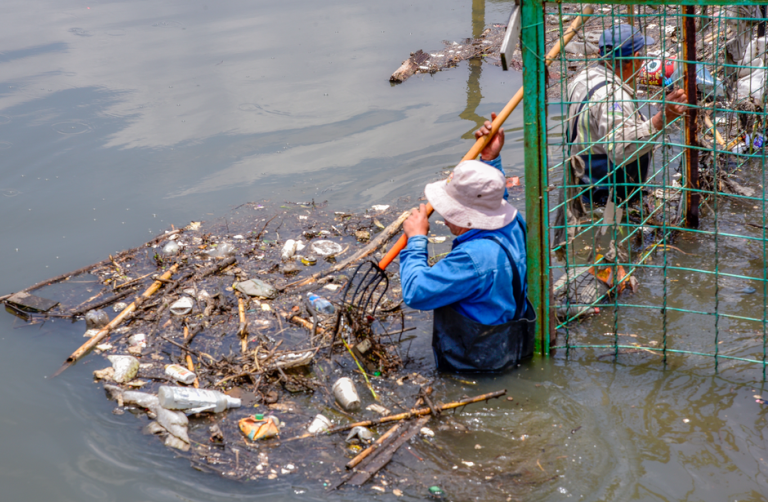
Historically, many urban waterfronts were industrial zones that cut cities off from their rivers, canals, and coasts. As manufacturing declined, these areas often fell into disuse, leaving derelict land and contaminated sites. Revitalisation offers an opportunity to reconnect communities with the water and to address multiple urban challenges simultaneously.
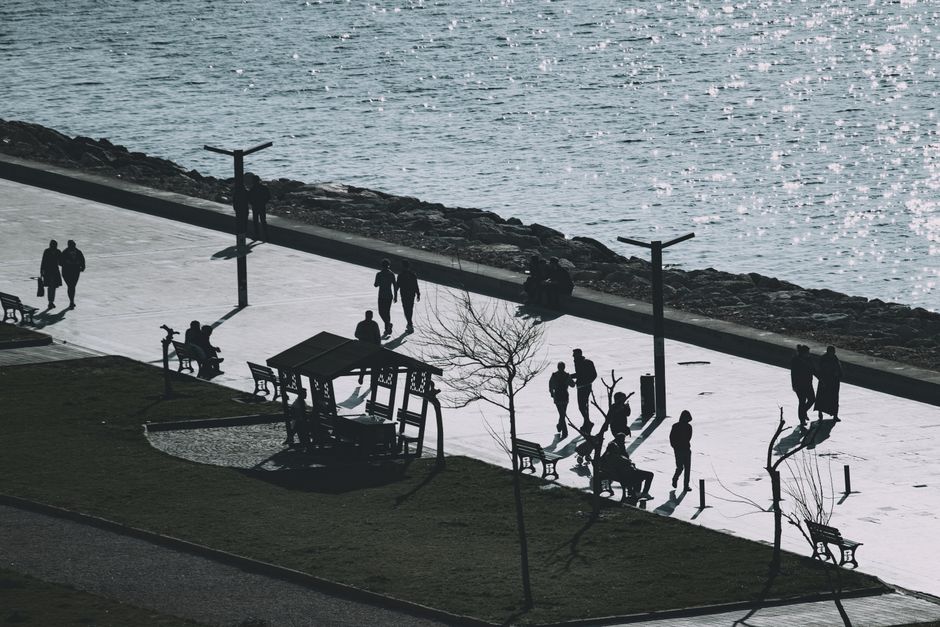
One primary motivation is to reclaim underutilised land for public benefit. By converting former industrial sites into parks and promenades, cities can increase the amount of accessible green space, which is often scarce in dense urban areas. These new spaces can support recreation, relaxation, and social interaction, contributing to physical and mental well-being.
Another driver is economic regeneration. Attractive waterfronts can draw visitors, stimulate local businesses, and increase property values. However, the relationship between revitalisation and economic outcomes is complex and depends on factors such as location, design quality, and ongoing management. Not all projects yield immediate economic returns, and benefits may accrue gradually.
Environmental improvements also play a role. Redevelopment can involve cleaning up contaminated land, enhancing flood resilience, and creating habitats for wildlife. Sustainable design features, such as green infrastructure and permeable surfaces, can help manage stormwater and reduce the urban heat island effect.
Finally, waterfront revitalisation can strengthen community identity. By celebrating maritime heritage and providing spaces for cultural events, cities can foster a sense of place and belonging. This social dimension is often as important as the physical transformation.
Key Considerations in Planning and Design
Effective waterfront revitalisation requires careful planning that integrates land use, transportation, environment, and community needs. A common approach is to develop a master plan that guides development over years or decades, allowing for phased implementation and adaptation.
Accessibility is a fundamental consideration. Waterfronts should be easy to reach by foot, bicycle, and public transport, and should include inclusive design features for people of all ages and abilities. Continuous promenades, clear signage, and connections to surrounding neighbourhoods help ensure that the space functions as an integral part of the city rather than an isolated destination.
Preserving industrial heritage can add character and authenticity. Many projects retain historic structures such as cranes, warehouses, or dock walls, repurposing them for new uses like markets, museums, or restaurants. This approach can create a distinctive sense of place while acknowledging the area’s history.
“The most successful waterfronts are those that evolve through ongoing dialogue with the communities they serve.”
Environmental sustainability is another core principle. Designers often incorporate green spaces, native planting, and sustainable drainage systems. These features can improve water quality, provide habitat, and offer natural cooling. In some cases, revitalisation projects also address flood risk by creating floodplains or raised promenades.
Mixed-use programming can enhance vitality. By combining residential, commercial, cultural, and recreational functions, waterfronts can attract diverse users throughout the day and week. However, balancing these uses requires careful management to avoid conflicts and ensure public spaces remain accessible to all.
Community engagement is essential throughout the planning and design process. Involving local residents, businesses, and interest groups can help identify needs, build support, and foster a sense of ownership. Participatory approaches may include workshops, surveys, and co-design sessions.
Examples of Waterfront Transformation
Several UK cities have undertaken notable waterfront revitalisation projects. In London, the transformation of the South Bank and the Royal Docks has created popular cultural and recreational destinations. The South Bank, developed over decades, now features a continuous riverside walk, cultural institutions, and public spaces that host markets and events.
In Liverpool, the Albert Dock was revitalised in the 1980s, turning derelict warehouses into a mixed-use area with museums, galleries, and restaurants. It has become a major tourist attraction and a symbol of the city’s regeneration. Similarly, in Bristol, the Harbourside has been redeveloped to include residential, commercial, and cultural spaces, with the harbourside path offering a scenic route for pedestrians and cyclists.
Smaller towns have also embraced waterfront renewal. For instance, in places like Exeter and Chester, canal and riverfront improvements have created pleasant walking routes and gathering spaces. These projects often focus on modest interventions, such as improving paths, adding seating, and enhancing landscaping, which can yield significant benefits at relatively low cost.
In Scotland, the regeneration of Dundee’s waterfront, including the V&A Dundee museum, has aimed to reorient the city towards the River Tay. The project includes public spaces, a new railway station, and plans for further development. While such large-scale projects can be transformative, they also require substantial investment and long-term commitment.
These examples illustrate that revitalisation can take many forms, from comprehensive master-planned schemes to incremental improvements. The common thread is a focus on creating accessible, attractive, and functional spaces that serve community needs.
Economic and Social Impacts
The economic impacts of waterfront revitalisation are often cited as a key benefit. By attracting visitors and new businesses, these projects can stimulate local economies. Cafes, restaurants, and shops may emerge to serve increased foot traffic, creating jobs and generating tax revenue. Property values in surrounding areas may also rise, though this can have mixed effects, potentially leading to displacement if affordable housing is not considered.
Social impacts are equally important. Well-designed waterfront spaces can provide opportunities for recreation, social interaction, and community events. They can serve as venues for markets, performances, and festivals, bringing people together. Access to green space and water views has been associated with improved mental well-being, although individual experiences vary.
However, revitalisation can also lead to challenges such as gentrification and social exclusion. If new developments cater primarily to affluent users, long-standing residents may feel displaced or excluded. To mitigate these risks, some cities implement inclusive policies, such as requiring affordable housing, providing free public amenities, and ensuring public transport access.
The distribution of benefits depends on a range of factors, including project design, governance, and broader economic conditions. There is no guarantee that revitalisation will automatically improve quality of life for all residents; outcomes are contingent on deliberate efforts to promote equity and inclusion.
Long-Term Management and Stewardship
Creating a vibrant waterfront is not a one-time event but an ongoing process. Long-term management and stewardship are critical to sustaining the quality and relevance of these spaces. This often involves partnerships between public authorities, private entities, and community organisations.
Funding for maintenance and programming can be a challenge. Some waterfronts generate revenue through commercial activities, events, or leases, which can help cover upkeep costs. Others rely on public funding or philanthropic support. Establishing a dedicated management entity, such as a trust or improvement district, can provide consistent oversight and coordinate activities.
Adaptive management allows for responsiveness to changing conditions. Regular monitoring of use, environmental quality, and community feedback can inform adjustments to design, programming, and maintenance. This iterative approach helps ensure that the waterfront continues to meet community needs over time.
Community stewardship can also play a role. Volunteer groups, friends’ organisations, and local businesses may contribute to cleaning, planting, and organising events. Such involvement can strengthen local attachment and ensure that the space reflects the community’s identity.
In some cases, companies like Tidewater may be involved in providing sustainable water management solutions or supporting environmental enhancements, aligning with broader goals of resilience and ecological health. However, the success of any waterfront depends on a collective commitment from all stakeholders.
Ultimately, revitalising waterfronts for community use is a multifaceted endeavour that requires vision, collaboration, and patience. By learning from past projects and adapting to local contexts, cities can create waterfronts that are not only attractive but also inclusive, resilient, and enduring.