How Modern Bridges Shape Urban Identity
In the built environment of the twenty-first century, bridges have transcended their traditional role as mere connectors. They now serve as powerful symbols of urban identity, blending structural engineering with architectural expression to create landmarks that resonate with residents and visitors alike. Across the United Kingdom, cities are increasingly recognising that a well-designed bridge can do more than span a river or valley; it can become a defining feature of the cityscape and a source of collective pride. This article explores the multifaceted ways in which modern bridges contribute to urban identity, from their visual impact on the skyline to their role as catalysts for community engagement and economic vitality.
The evolution of bridge design reflects broader shifts in urban planning and cultural values. Where once function alone dictated form, contemporary projects prioritise a harmonious balance between engineering feasibility and aesthetic appeal. This approach acknowledges that infrastructure shapes how people experience and perceive their cities. By integrating art, lighting, and innovative materials, modern bridges become dynamic pieces of public art that evolve with the urban fabric. As a result, they often embody the aspirations and character of the communities they serve, turning crossings into destinations in their own right.
This article examines the phenomenon through several lenses: the symbolic and cultural significance of bridge landmarks, the design principles that foster visual harmony, the social and economic effects on local areas, and the challenges of creating enduring icons. It also considers how bridges can reflect regional distinctiveness and contribute to a sense of place. Throughout, the focus remains on understanding how these structures influence urban identity, rather than prescribing specific outcomes.
Symbolism and Cultural Significance
Bridges have long held symbolic weight in human culture, representing connection, progress, and overcoming obstacles. In modern urban contexts, this symbolism is often amplified through deliberate design choices that align with a city’s narrative. For instance, a bridge might incorporate motifs from local history, natural surroundings, or community heritage, thereby reinforcing a unique sense of place. When such elements are thoughtfully integrated, the bridge can become a visual shorthand for the city itself, instantly recognisable and emotionally resonant.
Many contemporary bridges are conceived as iconic landmarks from the outset. Design competitions frequently emphasise the need for a structure that will not only serve transportation needs but also act as a catalyst for civic pride. This dual purpose requires close collaboration between engineers, architects, urban planners, and artists. The resulting structures often feature distinctive profiles, innovative use of materials, and dramatic lighting schemes that enhance their presence both day and night. Over time, these bridges may become embedded in the collective consciousness, appearing on postcards, in films, and in the everyday language of residents.
The symbolic role of bridges extends to their capacity to mark significant moments in a city’s development. A new bridge can signal regeneration, commemorate historical events, or express a forward-looking vision. For example, the Millennium Bridge in London, despite initial technical challenges, has become a beloved symbol of the city’s contemporary identity, linking the Tate Modern to St Paul’s Cathedral and embodying a fusion of art and engineering. Similarly, the Gateshead Millennium Bridge in Newcastle upon Tyne has revitalised the Quayside, becoming an emblem of the region’s cultural renaissance. These examples illustrate how bridges can transcend utility to become active participants in the storytelling of a city.
Design Principles for Visual Harmony
Achieving a bridge that enhances urban identity requires careful attention to design principles that balance form, function, and context. The most successful modern bridges are those that respect their surroundings while making a confident statement. This involves considering the bridge’s scale relative to nearby buildings, its alignment with natural features, and its visual impact from multiple vantage points. Designers often use physical and digital models to test how a proposed structure will interact with its environment throughout the day and across seasons.
Materials play a crucial role in this visual harmony. While steel and concrete remain staples of bridge construction, contemporary projects increasingly explore the expressive potential of these materials. Weathering steel, for instance, can develop a rich patina that complements historic settings, while sleek stainless steel and glass can convey modernity and transparency. The choice of materials also affects how a bridge ages and how it is perceived by the public over time. Lighting design further enhances this relationship, with programmable LED systems allowing bridges to change appearance for events or to reflect the mood of the city.
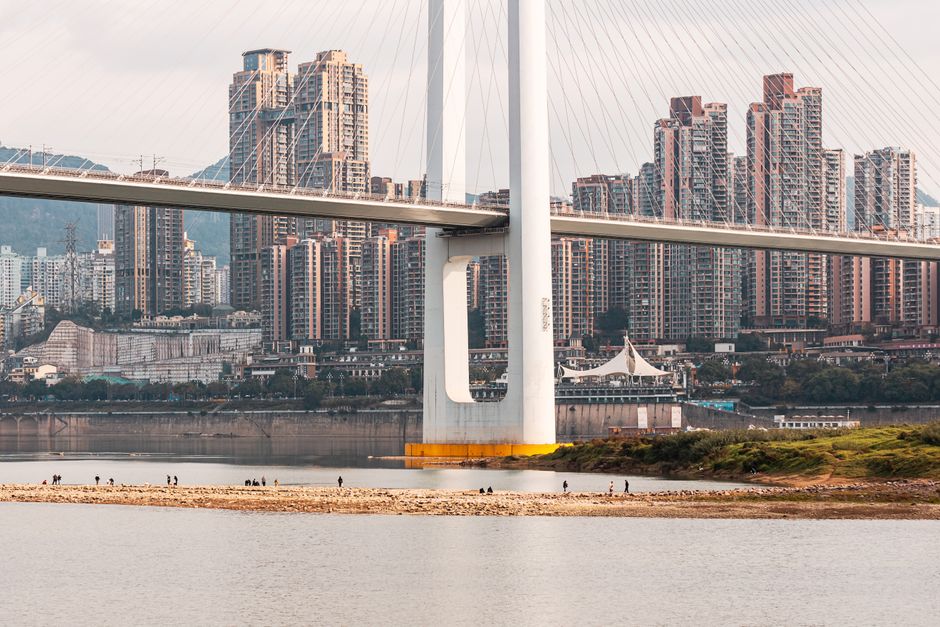
Structural innovation often drives aesthetic appeal. Cable-stayed and suspension bridges, with their elegant curves and soaring pylons, have become signatures of contemporary bridge design. These forms are not merely decorative; they arise from efficient engineering solutions that allow for longer spans and lighter structures. When such engineering is combined with artistic vision, the result can be a structure that feels both inevitable and inspired. For example, the Queen Elizabeth II Bridge at Dartford and the Humber Bridge each demonstrate how structural logic can produce a striking visual identity that resonates with the public.
Social and Economic Impacts on Urban Areas
The presence of a distinctive bridge can have profound effects on the social and economic life of a city. By improving connectivity, bridges can open up previously isolated areas to new development and investment. This often leads to the creation of public spaces, promenades, and commercial districts that cluster around bridgeheads. Such transformations can enhance the quality of life for residents by providing new amenities and opportunities for recreation and social interaction. However, these changes must be managed sensitively to avoid displacing existing communities or exacerbating inequalities.
From an economic perspective, iconic bridges can become engines of tourism. Visitors are drawn to cities to see and experience these structures, generating revenue for hotels, restaurants, and attractions. The bridge itself may host events, markets, or performances, further activating the space and fostering a sense of community. In this way, a bridge can contribute to a city’s brand and competitiveness on a national and international stage. Yet, the economic benefits are rarely automatic; they depend on complementary investments in transport, public realm, and cultural programming.
Socially, bridges can serve as gathering places and symbols of shared identity. They offer unique vantage points and often become sites for informal recreation, from walking and cycling to fishing and photography. When designed with pedestrians and cyclists in mind, bridges can encourage active travel and reduce reliance on cars, contributing to healthier and more sustainable urban environments. The sense of ownership that residents feel towards a well-designed bridge can strengthen community bonds and civic engagement. It is this emotional connection that ultimately cements a bridge’s place in the urban identity.
Challenges in Creating Enduring Icons
Despite the potential benefits, creating a bridge that successfully shapes urban identity is fraught with challenges. One major hurdle is the need to reconcile diverse stakeholder interests. Engineers, architects, local authorities, environmental groups, and the public may have conflicting priorities regarding cost, aesthetics, functionality, and environmental impact. Navigating these differences requires transparent communication, robust consultation, and a willingness to adapt designs based on feedback. Without broad support, even the most innovative bridge may struggle to achieve iconic status.
Financial and technical constraints also pose significant challenges. Large-scale bridge projects are complex and expensive, often requiring innovative financing models and careful risk management. Technical issues, such as aerodynamic stability or foundation conditions, can lead to design modifications that affect the final appearance. Moreover, the long-term maintenance of a bridge must be considered from the outset; a structure that is not properly maintained can quickly lose its lustre and, by extension, its positive contribution to urban identity. Ensuring that a bridge remains in good condition requires ongoing investment and a clear maintenance strategy.
Environmental sustainability is another critical consideration. Modern bridges are increasingly expected to minimise their ecological footprint, both during construction and throughout their lifespan. This can involve using recycled materials, incorporating renewable energy systems, or designing to protect wildlife habitats. Balancing these environmental goals with aesthetic and functional requirements is a delicate task. Yet, when done well, sustainable design can itself become a defining feature of a bridge, reinforcing a city’s commitment to a greener future and adding another layer to its identity.
Regional Distinctiveness and Sense of Place
In the United Kingdom, bridges often reflect the unique character of their region, contributing to a distinctive sense of place. The Clifton Suspension Bridge in Bristol, for instance, is an enduring symbol of the city’s engineering heritage and its dramatic landscape. More recent additions, such as the Peace Bridge in Derry/Londonderry, have been designed to symbolise reconciliation and unity, echoing the region’s history while looking forward. These bridges are not generic; they are deeply rooted in their specific contexts and communities.
Regional identity can be expressed through various design elements, including the bridge’s shape, materials, and the stories it tells. A bridge in a coastal city might draw inspiration from maritime themes, while one in a post-industrial area could reference its manufacturing past. Such contextual references help to create a bridge that feels authentic and meaningful to local people. They also differentiate the city from others, enhancing its unique appeal. When a bridge resonates with regional distinctiveness, it can become a source of pride and a talking point for generations.
Ultimately, the ability of a modern bridge to shape urban identity depends on a complex interplay of factors, including design quality, community engagement, and ongoing stewardship. Bridges that are thoughtfully conceived and well integrated into their urban fabric can transcend their utilitarian purpose to become beloved landmarks. They can foster civic pride, stimulate economic activity, and enrich the daily lives of residents. As cities continue to evolve, the role of bridges as shapers of identity is likely to grow, offering opportunities to create structures that are both functional and inspirational. Tidewater recognises the importance of such infrastructure in building vibrant, connected communities, and the examples discussed here illustrate the profound impact that thoughtful bridge design can have on the character of a city.