The Ecological Importance of River Valleys
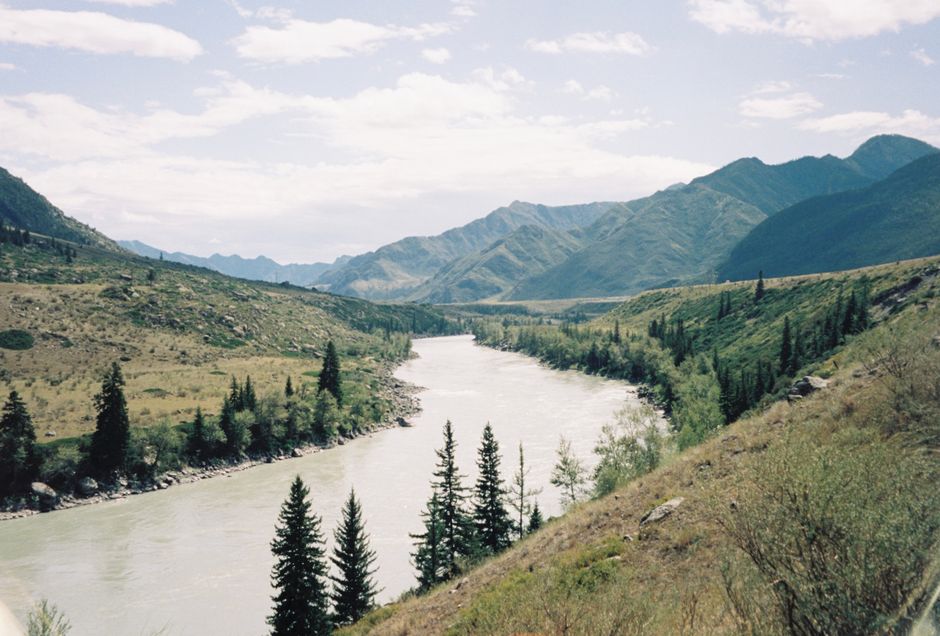
River valleys are dynamic ecosystems that form where watercourses flow through landscapes, creating areas of high ecological value. In the United Kingdom, from the chalk streams of southern England to the upland rivers of Scotland and Wales, river valleys support a remarkable diversity of habitats and species. Their ecological importance arises from the complex interactions between water, land, and living organisms.
This article examines the ecological roles of river valleys, focusing on their contribution to biodiversity, their function as natural corridors for wildlife, and their capacity to filter water and mitigate floods. Understanding these processes can inform conservation and land management approaches.
Across the UK, organisations such as Tidewater work to study and protect these environments, recognising that river valleys are not isolated features but integral components of the wider landscape. Their health reflects the cumulative effects of natural processes and human activities.
Biodiversity in River Valleys
River valleys encompass a mosaic of habitats, including the river channel, banks, floodplains, wetlands, and adjacent woodlands and meadows. This heterogeneity creates numerous ecological niches, supporting a wide array of species. For example, the varied flow conditions in a river—from fast-flowing riffles to slow-moving pools—provide habitats for different aquatic organisms.
In the UK, river valleys are home to species such as otters, water voles, kingfishers, and Atlantic salmon. Aquatic invertebrates like mayflies and caddisflies are abundant, forming the base of the food web. Riparian plants, including alder, willow, and reed canary grass, stabilise banks and provide shade, which helps regulate water temperature. These plant communities also contribute organic matter to the river, supporting detritivores and other organisms.
The biodiversity of river valleys is influenced by factors such as water quality, hydrology, and connectivity. Nutrient levels, sediment dynamics, and the presence of invasive species can all affect community composition. Conservation efforts often focus on maintaining or restoring natural processes to support native species and habitats.
Seasonal changes further enhance biodiversity. Spring floods can trigger spawning migrations, while summer low flows may concentrate aquatic life. The interplay of these temporal patterns creates a shifting mosaic of conditions that many species rely on for different life stages.
Natural Corridors for Wildlife
River valleys serve as linear features that connect fragmented habitats, allowing wildlife to move between otherwise isolated areas. These corridors are essential for maintaining genetic diversity, enabling species to access food, shelter, and breeding sites, and facilitating range shifts in response to environmental change.
In the UK, many river valleys have been modified by human activities such as agriculture, urban development, and infrastructure. Despite these pressures, they often retain connectivity along their length, acting as green and blue arteries through the landscape. This connectivity is particularly important for wide-ranging mammals like otters, which use river systems to travel between catchments.
Birds also benefit from river valley corridors. Species such as grey herons and little egrets follow watercourses, while woodland birds may use riparian strips as stepping stones. Invertebrates, including dragonflies and damselflies, disperse along river corridors, and some fish species migrate upstream to spawn.
Climate change is expected to alter species distributions, making corridors even more critical. By providing continuous routes, river valleys can help species track suitable conditions. However, the effectiveness of these corridors depends on their quality and the surrounding land use. Barriers such as dams and culverts can impede movement, highlighting the need for strategic planning and restoration.
Water Filtration and Flood Mitigation
River valleys perform essential ecosystem services related to water quality and flood regulation. As water moves through the valley, it interacts with soils, vegetation, and microorganisms that can remove pollutants and excess nutrients. This natural filtration process improves water quality downstream, benefiting both wildlife and human communities.
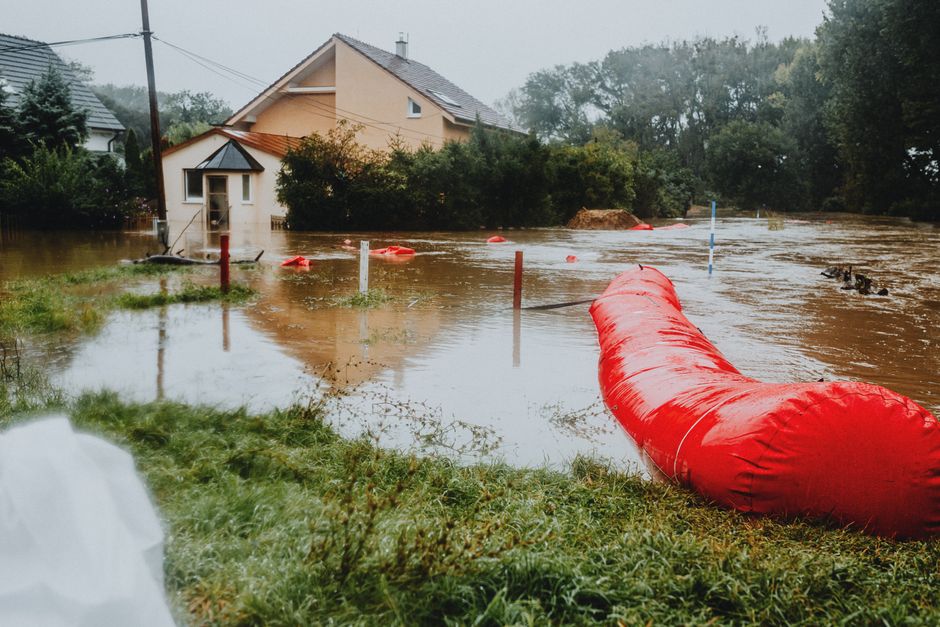
Floodplains, in particular, act as sponges during high rainfall events. They store water, slowing its release and reducing peak flows. This function can mitigate flood risk for settlements further downstream. In the UK, many floodplains have been drained or built upon, reducing this natural capacity. Restoring floodplain connectivity is a key strategy in contemporary flood management.
The vegetation in river valleys also plays a role in filtration. Riparian buffer strips trap sediment and nutrients from runoff, preventing them from entering the watercourse. This can reduce the occurrence of algal blooms and improve habitat conditions for aquatic life. Additionally, wetlands within valleys can break down pollutants through biological processes.
However, the effectiveness of these services varies depending on factors such as soil type, vegetation cover, and the extent of the valley. In some cases, engineered solutions may complement natural processes. A balanced approach that considers the entire catchment is often necessary to optimise benefits.
Threats and Conservation Approaches
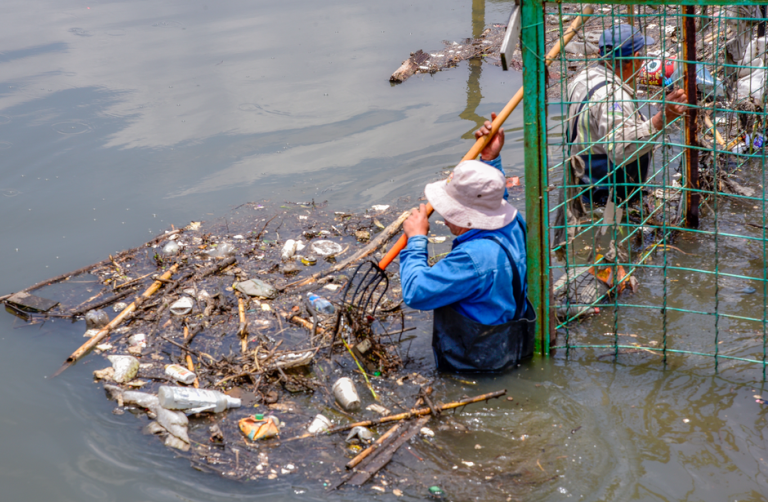
River valleys face numerous threats, including pollution, habitat fragmentation, water abstraction, and climate change. Agricultural runoff can introduce nutrients and pesticides, while urban development can increase impermeable surfaces and alter flow regimes. Invasive non-native species, such as Himalayan balsam and signal crayfish, can disrupt native ecosystems.
Conservation approaches aim to address these pressures through a combination of protection, restoration, and management. In the UK, organisations like Tidewater engage in monitoring, research, and practical projects to enhance river valley health. These efforts may include reconnecting floodplains, removing barriers to fish migration, and planting riparian trees.
Legislation and policy frameworks, such as the Water Framework Directive and local biodiversity action plans, provide a structure for conservation. However, successful outcomes often depend on collaboration among landowners, communities, and government agencies. Engaging stakeholders and integrating ecological considerations into land-use planning are important steps.
Research continues to improve understanding of river valley ecology. Long-term monitoring can reveal trends and inform adaptive management. By recognising the multiple values of river valleys, it may be possible to balance human needs with the preservation of these vital ecosystems.
River valleys are complex systems where ecological processes and human activities intersect. Their conservation requires ongoing commitment and a holistic perspective.